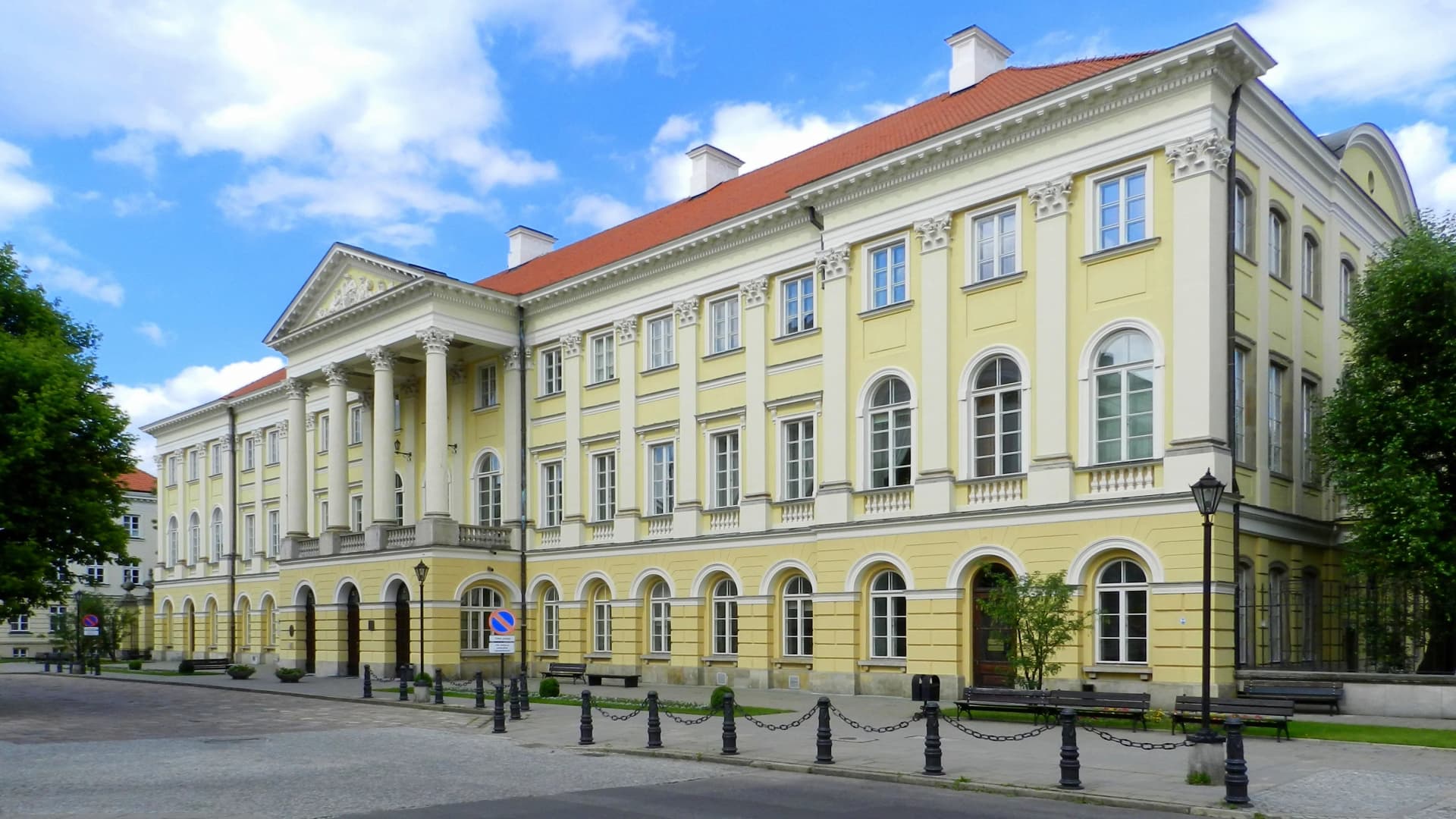

Why Pakistani students are choosing Lithuania
Lithuania has become one of the most searched study destinations in Europe for students from Pakistan, and for good reasons. It is a full member of the European Union and the Schengen area, so a degree from a Lithuanian university is an EU degree, recognised across Europe under the Bologna framework.
At the same time, tuition and living costs in Lithuania are generally lower than in Western European countries such as Germany's big cities, France or the Netherlands. Many universities teach full bachelor's and master's programmes in English, and the admission process is usually more straightforward than in countries with heavy competition for places.
For a Pakistani family weighing cost against quality, Lithuania is often the point where the numbers start to work.
Universities and English-taught programmes
Lithuania has a mix of research universities and universities of applied sciences (called kolegija). Research universities award academic bachelor's, master's and doctoral degrees; universities of applied sciences focus on practical, career-oriented bachelor's programmes.
Most international students study in Vilnius or Kaunas, with smaller student communities in Klaipėda and Šiauliai. Popular English-taught fields include:
- Business administration, management and marketing
- Computer science, software engineering and IT
- Engineering, including mechanical, electrical and civil
- Medicine, dentistry, pharmacy and health sciences
- International relations, law and political science
- Finance, economics and fintech-related programmes
Intakes and when to start applying
The main intake in Lithuania is autumn (September). Some universities also offer a smaller spring intake (February) for selected programmes.
For Pakistani students, the visa and residence process takes time, so the practical rule is to apply early. Aim to have your documents ready six to nine months before the intake you want. Admission deadlines for non-EU students are usually earlier than the deadlines for EU students, so always check the deadline listed for international (non-EU) applicants on the university's own admissions page.
Admission requirements for Pakistani students
Exact requirements depend on the university and programme, but most applications ask for the same core set of documents:
- Valid passport
- Academic transcripts and certificates (Matric and FSc / A-levels for a bachelor's; bachelor's degree and transcript for a master's)
- Attested and, where required, translated copies of your documents (HEC and IBCC attestation is commonly asked for)
- Proof of English: IELTS, TOEFL, PTE, Duolingo, or an English medium of instruction letter, depending on the university
- Statement of purpose or motivation letter
- CV, and for some master's programmes, recommendation letters
- Application fee, where the university charges one
Recognition of your Pakistani qualifications
Lithuanian universities check that your previous education is comparable to the Lithuanian level you are applying from. For many applicants this is handled by the university as part of admission, sometimes with an assessment by the national centre responsible for the recognition of foreign qualifications.
Keep scanned, attested copies of every certificate and transcript ready from the start. Missing or unattested documents are one of the most common reasons an application stalls.
The Lithuania student visa and residence permit
After you receive an admission letter and pay the required tuition deposit, you apply for permission to stay in Lithuania for your studies. Depending on the length of the programme and your situation, this is a national (D) visa, a temporary residence permit, or both, applied for through Lithuania's migration system and the visa application route it designates for Pakistan.
You will usually need to show your admission letter, proof that you can support yourself financially, health insurance and accommodation details. The required amounts and the current procedure are published by the Migration Department of Lithuania, and they change, so always read the current version before you prepare your file.
Preparing your file?Read our Lithuania student visa guide
Cost of living and working while you study
Your main costs are tuition, accommodation, food, transport and health insurance. Dormitories and shared flats keep accommodation costs down, and Vilnius and Kaunas are generally more affordable than capitals in Western Europe.
International students in Lithuania are usually allowed to work part-time during their studies, within limits set by law. Treat part-time income as help with living costs, not as a way to pay tuition, and never plan your finances around a job you do not have yet.
After graduation
Graduates of Lithuanian universities can generally apply to stay in Lithuania for a period after graduation to look for work, and Lithuania has a growing tech, finance and services sector. Because Lithuania is in the EU, your degree is also understood by employers in other European countries.
Post-study rules are set by the government and can change. Check the current position before you choose a programme, not after you graduate.
How to apply, step by step
- Shortlist programmes that match your academic background and career goal
- Check each university's requirements and the non-EU deadline
- Prepare and attest your documents, and take an English test if needed
- Write a strong statement of purpose for each programme
- Apply, attend any interview, and accept your offer
- Pay the deposit, then prepare your visa and residence permit file
- Arrange accommodation, insurance and travel
Want help choosing the right university in Lithuania?Book a free consultation
Frequently asked questions
- Is Lithuania good for Pakistani students?
- Yes, for many students. Lithuania offers EU-recognised degrees, a wide choice of English-taught programmes and lower costs than most of Western Europe. It suits students who want a European degree on a realistic budget.
- Can I study in Lithuania without IELTS?
- Some Lithuanian universities accept other English tests or an English medium of instruction letter from your previous institution. It depends on the university and programme, so check each one before you apply.
- When is the intake for Lithuania?
- The main intake is September. Some programmes also have a February intake. Deadlines for non-EU students are earlier than for EU students, so start preparing six to nine months ahead.
- Can I work while studying in Lithuania?
- International students are generally allowed to work part-time while they study, within limits set by law. Check the current rules with the Migration Department of Lithuania.
This guide is general orientation, not legal, immigration or financial advice. Rules, fees and deadlines are set by universities and governments and change over time; confirm the current position with the university or the relevant official authority before acting.